




Nissan Diagnostic Codes Explained: Your Guide to P0420 & More
Welcome to Conyers Nissan’s comprehensive guide tailored for drivers in Conyers, GA! We know your Nissan isn’t just a car—it’s your daily companion on the road. That’s why it’s important to understand what those mysterious check engine lights and diagnostic codes really mean. In this guide, we break down the infamous P0420 code, explain other common Nissan diagnostic codes, and outline clear steps to keep your vehicle running at its best. Whether you’re a seasoned Nissan enthusiast or new to the brand, our expert insights and practical advice will help you stay informed and proactive about your vehicle’s health.
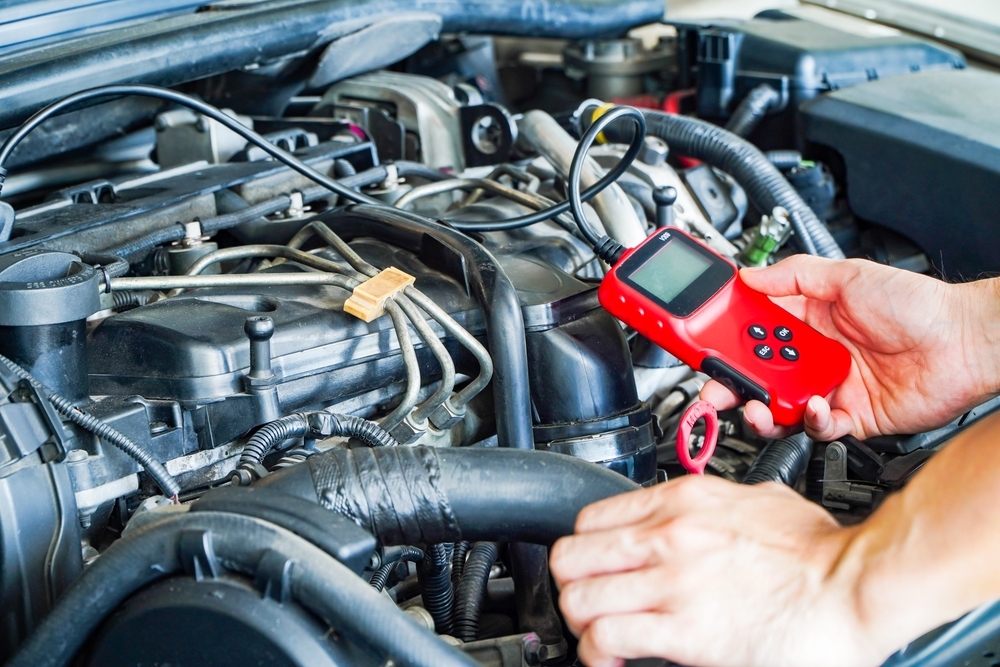
Understanding the P0420 Code
The P0420 code on a Nissan indicates that the catalytic converter on Bank 1 (the side of the engine with cylinder #1) is operating below its expected efficiency. In simpler terms, your vehicle’s computer has detected that the catalytic converter is not effectively converting pollutants from the exhaust gases.
What Does This Mean?
This code, also known as “Catalyst System Efficiency Below Threshold (Bank 1),” is a warning that your catalytic converter isn’t performing as it should. The converter’s job is to reduce harmful pollutants – such as carbon monoxide (CO), hydrocarbons (HC), and nitrogen oxides (NOx) – by converting them into less harmful substances like carbon dioxide (CO2), water (H2O), and nitrogen (N2).
How Is It Detected?
Your vehicle’s Powertrain Control Module (PCM) continuously monitors the efficiency of the catalytic converter using oxygen sensors located both upstream and downstream of the converter. If the readings from these sensors are too similar, it indicates that the converter is not processing the exhaust gases effectively, triggering the P0420 code.
Possible Causes
- Exhaust Leaks: Cracks or loose connections in the exhaust system can cause inaccurate oxygen sensor readings.
- Failed Oxygen Sensors: Faulty sensors may send incorrect data to the PCM.
- Bad Catalytic Converter: The converter itself might be failing and unable to perform its function.
- Engine Problems: Issues like bad fuel injectors or engine misfires can contribute to the code.
What Should You Do?
- Inspect the Exhaust: Check for any leaks or damage in your exhaust system.
- Test the Oxygen Sensors: Ensure that both upstream and downstream sensors are working correctly.
- Consult a Qualified Mechanic: If you suspect a problem with the catalytic converter or other engine components, it’s important to have your vehicle professionally diagnosed and repaired.
While it might be possible to drive with a P0420 code, addressing the issue promptly is the best way to prevent further damage and maintain your Nissan’s performance.
Other Common Diagnostic Codes You Might Encounter
In addition to the P0420 code, Nissan drivers may come across a variety of other diagnostic trouble codes. Here are a few examples:
- P0300 – Random/Multiple Cylinder Misfire: This code indicates that the engine is misfiring in one or more cylinders. Causes can include faulty spark plugs, ignition coils, or fuel injectors.
- P0171 – System Too Lean (Bank 1): This means the engine is receiving too much air or not enough fuel, which could be due to issues like vacuum leaks or clogged fuel injectors.
- P0128 – Coolant Thermostat Malfunction: When your engine isn’t reaching its optimal operating temperature, it could trigger this code, suggesting a potential problem with the thermostat.
For any of these codes, the first steps are similar: inspect for any obvious issues (such as leaks or worn parts), test the related components (sensors, spark plugs, etc.), and consult with a trusted mechanic if needed.
Your Next Steps with Conyers Nissan
At Conyers Nissan, we pride ourselves on providing top-notch service and expertise. Whether you’re interested in browsing our wide range of new vehicles, exploring the latest Nissan specials in Conyers, GA, or need prompt service through our dedicated service center at Conyers Nissan Service, we are here to help.
If your check engine light comes on or you notice any performance issues, don’t ignore those diagnostic codes. They’re your vehicle’s way of communicating that it needs attention. Follow the steps outlined above and let our certified technicians diagnose and resolve any issues quickly and efficiently.